Line of sight
Desk items align so the primary screen stays easy to read with a relaxed viewing distance for long-form tasks.

Workstation clarity · Wellington, NZ
Practical planning for monitor height, input devices, and chair settings. The layout favors steady routines instead of rushed fixes, and each recommendation references measurements you can repeat on your own.
Sessions document chair height, desk edge clearance, and monitor depth against the room layout. You receive notes that describe each adjustment so maintenance staff can reproduce positions later.
The process treats the workstation as a small system: cables, lighting, and storage receive the same calm review as seating.
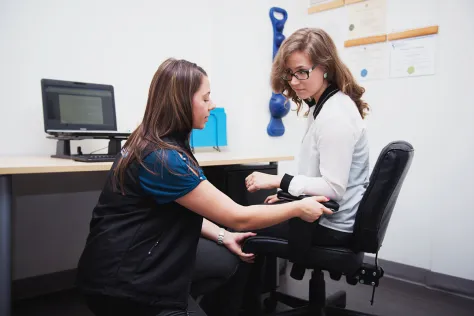
Guidance stays descriptive. Observations reference clear distances, angles, and reach zones without dramatizing outcomes.
Desk items align so the primary screen stays easy to read with a relaxed viewing distance for long-form tasks.
Keyboard and pointer areas keep elbows close to the torso so typing remains steady without stretching.
Short resets between meetings are noted on a simple schedule to complement seated work without turning breaks into a performance goal.

Each visit ends with a concise reference sheet listing reference heights, hardware models, and photo anchors for future audits. Records avoid promotional wording and read like internal operations notes.
Review listed services
Use the focus map to rehearse how monitor, inputs, chair, and desk relate. The desk planner turns your height entry into reference numbers for furniture checks.

Recommendations include cable labeling, signage for shared hot desks, and quiet ways to label settings so colleagues understand the layout without loud campaigns.

Share your room size, the number of steady users, and any upcoming furniture refresh. The studio replies with a short outline of what a visit covers and how notes are delivered.